




Ultimate Guide to Aftermarket Suspension Systems
Ultimate Guide to Aftermarket Suspension Systems: How to Choose, Upgrade, and Optimize Your Truck or SUV Suspension
Aftermarket suspension systems play a crucial role in enhancing the performance and comfort of trucks and SUVs. This comprehensive guide will delve into the various types of aftermarket suspension systems, their components, and the benefits of upgrading your vehicle’s suspension. Many vehicle owners face challenges with ride quality, handling, and off-road capability, which can be significantly improved through the right suspension upgrades. In this article, we will explore the main types of aftermarket suspension systems, key components, benefits of upgrades, selection criteria, trusted brands, and essential installation and maintenance tips.
What Are the Main Types of Aftermarket Suspension Systems?
Aftermarket suspension systems can be categorized into several types, each designed to meet specific performance needs and driving conditions. Understanding these types is essential for making informed decisions about upgrades.
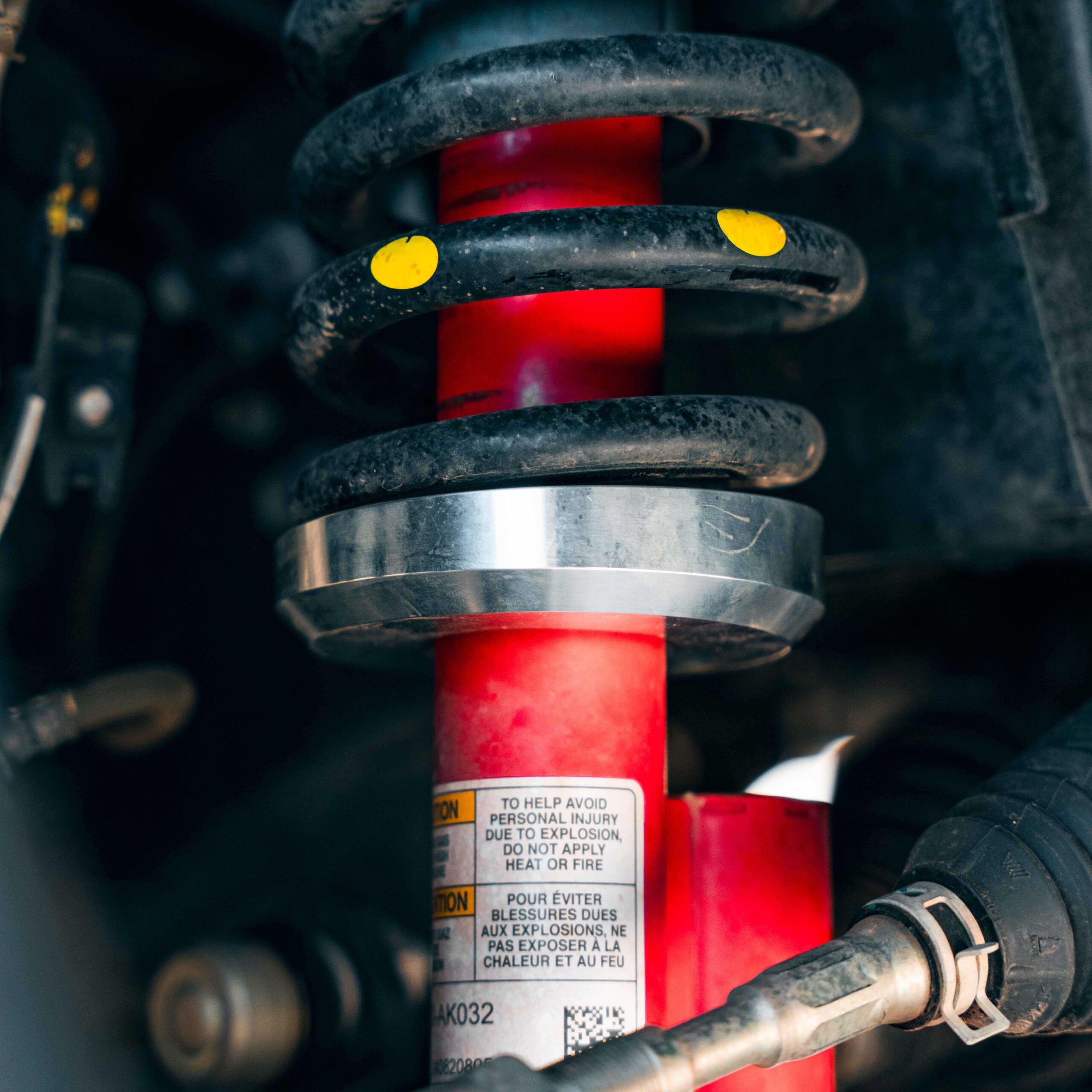
- Coilover Suspension: This type combines a coil spring and shock absorber into a single unit, allowing for adjustable ride height and improved handling.
- Leaf Spring Suspension: Commonly found in trucks, this system uses multiple layers of spring steel to support heavy loads and provide stability.
- Air Suspension: Utilizing air-filled bags instead of traditional springs, this system offers adjustable ride height and improved ride comfort.
- Torsion Bar Suspension: This system uses a metal bar that twists to provide spring action, often found in trucks and SUVs for load-bearing capabilities.
Each type has its pros and cons, making it essential to choose the right one based on your vehicle’s intended use and performance goals.
How Do Coil Springs, Leaf Springs, and Coilovers Differ?
Coil springs, leaf springs, and coilovers serve different purposes in suspension systems. Coil springs are designed to absorb shocks and provide a smooth ride, while leaf springs are better suited for heavy loads and stability. Coilovers, on the other hand, offer the advantage of adjustability, allowing drivers to fine-tune their vehicle’s ride height and handling characteristics. Understanding these differences helps in selecting the appropriate suspension system for your needs.
The concept of adjustable suspension systems, particularly those with variable ride-height, is a key area of innovation for optimizing vehicle dynamics.
Variable Ride-Height Suspension for Vehicle Dynamics
IMPROVED VEHICLE DYNAMICS This section deals with the application of variable stiffness and ride-height suspension to achieve improved vehicle dynamics.
Variable stiffness and variable ride-height suspension system and application to improved vehicle dynamics, NP Suh, 2005
What Are the Benefits and Uses of Air and Torsion Suspensions?
Air suspension systems provide several benefits, including adjustable ride height, improved ride quality, and the ability to level the vehicle when carrying heavy loads. Torsion bar suspensions offer a compact design and are often used in trucks and SUVs for their durability and load-bearing capabilities. Both systems cater to specific driving needs, making them valuable options for different applications.
Which Key Components Make Up an Aftermarket Suspension System?
An aftermarket suspension system consists of several key components that work together to enhance vehicle performance. Understanding these components is crucial for making informed upgrades.
What Roles Do Shocks, Springs, Control Arms, and Sway Bars Play?
Shocks and springs are fundamental to any suspension system, providing the necessary support and comfort. Control arms connect the suspension to the vehicle’s frame, allowing for proper wheel alignment and handling. Sway bars help reduce body roll during turns, enhancing stability and control. Together, these components create a balanced suspension system that can significantly improve driving dynamics.
The continuous evolution of damper technology is central to achieving both superior ride comfort and precise vehicle handling.
Damper Technology for Enhanced Ride Comfort & Handling
The advancement of vehicle damper technology, driven by the desire for improved ride comfort and superior vehicle handling, has significantly influenced the field of automotive engineering. This extensive analysis examines the progression of improvements in damper technology and damping principles and provides insight into the complex relationship between damper design, vehicle dynamics, and road conditions. The relevance of achieving optimum ride quality and handling precision is underscored by thoroughly examining key aspects that influence damper performance, including damping force, frequency response, and energy dissipation.
The evolution of damper technology for enhanced ride comfort and vehicle handling in vehicle suspension system, AA Ferhath, 2024
How Do Bushings and Bump Stops Affect Suspension Performance?
Bushings and bump stops are often overlooked but are critical for suspension performance. Bushings provide cushioning between metal components, reducing noise and vibration. Bump stops prevent excessive travel of the suspension, protecting components from damage during extreme conditions. Regular maintenance of these parts is essential for optimal suspension performance.
What Are the Benefits of Upgrading Your Truck or SUV Suspension?
Upgrading your truck or SUV suspension can lead to numerous benefits, enhancing both performance and comfort.
- Improved Off-Road Capability: Aftermarket suspensions are designed to handle rough terrain, providing better ground clearance and articulation.
- Enhanced Ride Comfort: Upgraded systems can significantly reduce road noise and vibrations, leading to a smoother ride.
- Increased Towing Capacity: A robust suspension system can improve load handling, making towing safer and more efficient.
These benefits make suspension upgrades a worthwhile investment for any vehicle owner looking to enhance their driving experience.
How Does an Aftermarket Suspension Improve Off-Road Capability and Ride Comfort?
An aftermarket suspension system enhances off-road capability by providing better ground clearance and articulation, allowing vehicles to navigate challenging terrains with ease. Additionally, these systems are designed to absorb shocks and vibrations, resulting in a more comfortable ride on both rough and smooth surfaces. This combination of features makes aftermarket suspensions ideal for off-road enthusiasts and daily drivers alike.
Further research highlights how aftermarket suspension lifts are crucial for tackling challenging off-road environments.
Aftermarket Suspension Lift for Off-Road 4WD Vehicles
off road conditions due to insufficient underbody clearance, suspension travel and articulation, for a system suited to your needs will almost always give a very noticeable improvement.
Analysis of an off road 4WD vehicle’s suspension system modification–
Case study of aftermarket suspension lift and modification of wheel track size, MA Hazrat, 2016
What Advantages Do Suspension Upgrades Offer for Towing and Daily Driving?
Suspension upgrades can significantly improve towing performance by providing better load distribution and stability. This is particularly important for trucks and SUVs that frequently tow heavy trailers. For daily driving, upgraded suspensions enhance ride comfort and handling, making the vehicle more enjoyable to drive. These improvements contribute to a safer and more pleasant driving experience.
How Do You Choose the Right Aftermarket Suspension for Your Vehicle and Use Case?
Selecting the right aftermarket suspension requires careful consideration of several factors, including vehicle type, intended use, and personal preferences.
- Vehicle Type: Different vehicles have unique suspension needs based on their weight and design.
- Intended Use: Consider whether the vehicle will be used for off-roading, towing, or daily driving.
- Budget: Determine how much you are willing to invest in suspension upgrades.
By evaluating these factors, you can make an informed decision that aligns with your driving needs.
What Factors Should You Consider for Trucks, SUVs, and 4x4s?
When choosing a suspension system for trucks, SUVs, and 4x4s, consider the vehicle’s weight, intended use, and the type of terrain it will encounter. Heavier vehicles may require more robust suspension components, while those used primarily for off-roading may benefit from adjustable systems that allow for greater flexibility in ride height and performance.
How Do Use Cases Like Overlanding, Rock Crawling, and Towing Influence Suspension Choice?
Different use cases necessitate specific suspension characteristics. For example, overlanding requires a suspension that can handle varied terrains and provide comfort over long distances. Rock crawling demands a system with excellent articulation and ground clearance to navigate obstacles. Towing requires a suspension that can support heavy loads while maintaining stability. Understanding these requirements is crucial for selecting the right suspension system.
Which Aftermarket Suspension Brands and Products Should You Trust?
When considering aftermarket suspension systems, it’s essential to choose reputable brands known for quality and performance.
- Westcott Designs™: Specializes in precision-engineered lift kits and installation services for trucks and SUVs, particularly Toyota models.
- Fox Racing Shox: Renowned for high-performance shock absorbers that enhance off-road capability.
- King Shocks: Offers premium shock systems designed for extreme conditions and durability.
What Are the Features of Westcott Designs™ Lift Kits and Installation Services?
Westcott Designs™ offers a range of lift kits designed to improve ground clearance and off-road performance. Their products are known for precision engineering and durability, ensuring that vehicles can handle tough terrains. Additionally, their installation services guarantee that the lift kits are installed correctly, maximizing performance and safety.
How Do Partner Brands Like Fox Racing Shox and King Shocks Enhance Performance?
Partner brands like Fox Racing Shox and King Shocks provide advanced shock absorber technology that significantly enhances vehicle performance. These products are designed to improve handling, stability, and comfort, making them ideal for off-road and performance applications. Their reputation for quality ensures that customers receive reliable and effective suspension solutions.
What Should You Know About Aftermarket Suspension Installation and Maintenance?
Proper installation and maintenance of aftermarket suspension systems are crucial for optimal performance and longevity.
- Professional Installation: Complex suspension systems often require professional installation to ensure safety and performance.
- Regular Maintenance: Routine checks and maintenance of suspension components can prevent wear and extend the lifespan of the system.
- Understanding Adjustments: Familiarize yourself with any adjustable features of your suspension system to maximize its benefits.
By following these guidelines, vehicle owners can ensure their aftermarket suspension systems perform at their best.
Why Is Professional Installation Recommended for Complex Suspension Systems?
Professional installation is recommended for complex suspension systems due to the technical expertise required to ensure proper alignment and functionality. Incorrect installation can lead to safety issues and compromised performance, making it essential to rely on experienced technicians for these upgrades.
What Are Essential Maintenance Tips to Keep Your Suspension Performing Optimally?
To maintain optimal suspension performance, consider the following tips:
- Regular Inspections: Check for signs of wear, such as leaks or unusual noises.
- Lubrication: Ensure that all moving parts are properly lubricated to prevent friction and wear.
- Component Replacement: Replace worn or damaged components promptly to maintain performance.
By adhering to these maintenance practices, vehicle owners can extend the life of their aftermarket suspension systems and ensure consistent performance.