




The Biggest Mistake When Choosing Tires for Your Toyota Tundra: Best Tires, Sizes, and Load Ratings Explained
By Whiskey River Media, Westcott Designs™
Choosing the right tires for your Toyota Tundra is a crucial decision that impacts your vehicle’s performance, safety, and longevity. Many Tundra owners overlook essential factors such as tire sizing, load ratings, and overall tire type, leading to potential mishaps on the road. This article aims to clarify these concepts, providing insights into the most common mistakes made during tire selection. By understanding the implications of load ratings and how tire size affects vehicle health, you will gain the confidence to choose the best tires for your specific needs. Throughout the article, we will highlight tire recommendations, emphasize why load ratings matter, and explain how professional installation enhances your Tundra’s safety and longevity.
Recommendations for Tire Options:
When selecting tires for your Toyota Tundra, considering various options can make all the difference. Compatible tire models should take into account the Tundra’s weight and intended use to ensure optimal performance. A diverse selection of aftermarket Tundra tires exists, tailored to balance durability, traction, and load capacity that fit different lifestyles and terrains.
Westcott Designs specializes in aftermarket tires and installation services tailored for Toyota Tundra owners, offering options that enhance both performance and safety.
Which Off-Road Tires Are Best for Tundra Performance and Durability?
For off-road enthusiasts, choosing the right off-road tire is vital to ensure performance and durability in rugged terrains. The Nitto Ridge Grappler stands out with its E Load rating, making it ideal for tackling tough conditions while supporting heavy loads efficiently. This tire’s aggressive tread design provides enhanced traction and durability, ensuring your Tundra can handle various off-road challenges with ease.
What Are the Best Winter Tires and Considerations for Tundra Safety?
When winter conditions dictate the need for specialized winter tires, you should look for features that enhance grip and safety on snow and ice. Tires like the Michelin Defender are designed specifically for winter performance, with their unique tread patterns providing superior traction on slick surfaces. Understanding these features not only adds safety but also extends the life of your tires, making the investment worthwhile.
What Is the Biggest Mistake Tundra Owners Make Choosing Tires?
One of the most significant mistakes Tundra owners make when selecting tires is ignoring the importance of load ratings. Many individuals underestimate the impact of improper tire sizes, which can lead to reduced safety and increased wear on the vehicle. This oversight often stems from a lack of understanding of how tires work in conjunction with the truck’s specifications, leading to potentially dangerous conditions on the road.
Why Misunderstanding Load Ratings Leads to Safety Risks
Understanding tire load ratings is essential for Tundra owners. Incorrectly selected tires can lead to tire failure under heavy loads, which poses serious safety risks. The load rating indicates the maximum weight a tire can support under inflated conditions, and when mismatched to your vehicle’s needs, it can compromise handling, braking, and overall vehicle stability. Therefore, always refer to your owner’s manual and ensure that the tires you choose meet or exceed the required load ratings.
How Tire Size Mismatches Affect Performance and Vehicle Health
Tire size mismatches can greatly affect your Tundra’s performance and long-term health. Properly sized tires contribute to accurate speedometer readings, fuel efficiency, and optimal handling characteristics. When the tires are too large or too small, this can lead to issues such as accelerated wear and tear on suspension components or compromised vehicle stability, affecting your driving experience significantly.
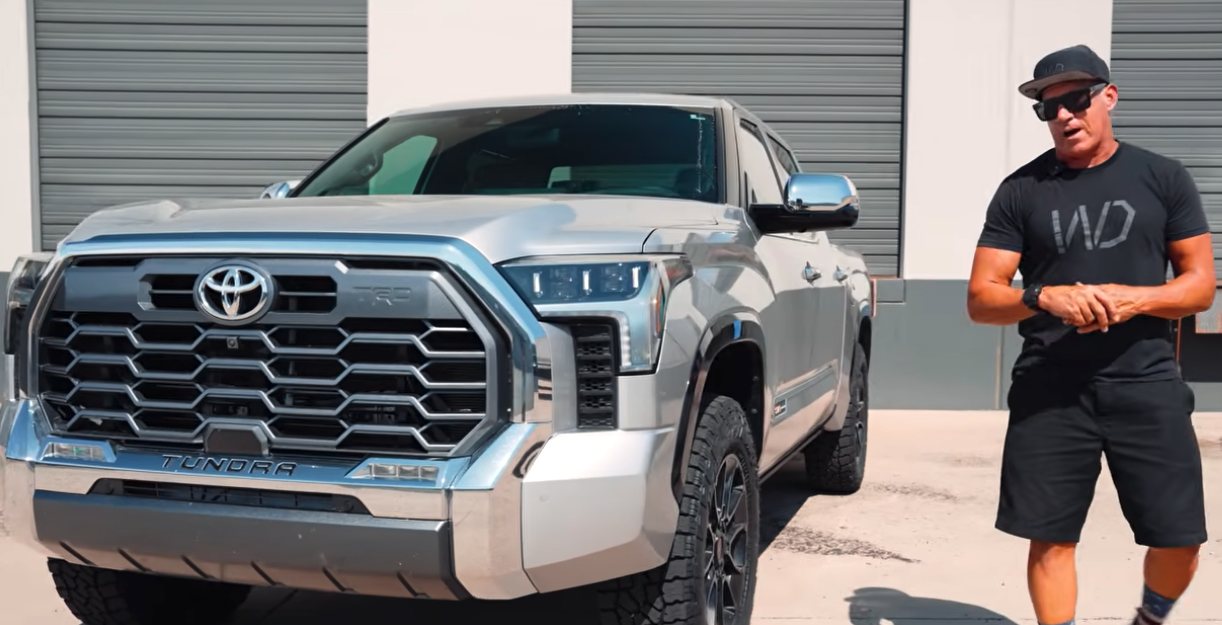
How to Choose the Best Tires for Your Toyota Tundra by Usage
Choosing the best tires also depends on how you intend to use your Tundra. Here are some common usage categories to consider:
-
On-Road Driving: Opt for tires that provide a smooth ride and good fuel efficiency. Highway tires are designed specifically for these conditions.
-
Off-Road Driving: Look for aggressive tread patterns and a durable construction that can handle off-pavement challenges.
-
Seasonal Changes: Adjust your tire choices based on seasonal conditions. For instance, winter tires should have distinct features for cold weather performance.
How Does Expert Tire Installation Improve Performance and Safety?
Professional tire installation ensures that your tires are mounted accurately and balanced correctly, which significantly enhances vehicle performance and safety. Precision during installation can prevent common issues such as vibrations, uneven wear, and handling problems. Westcott Designs employs knowledgeable technicians experienced in installing tires specifically for the Toyota Tundra, ensuring that your vehicle operates safely and effectively.
What You Need to Know About Load Ratings for Tundra Tires: E Load vs D Load
Understanding load ratings is crucial for any vehicle owner, especially for truck owners who may carry significant weight. E Load and D Load tires differ in their load capacity, with E Load tires designed for heavier applications. This is important for ensuring your vehicle can safely handle any loads you plan to transport, whether for work or recreation.
What Does an E Load Rating Mean Versus a D Load Rating?
E Load tires have a higher load capacity, typically rated for 3,750 lbs, while D Load tires usually support up to 2,600 lbs. Choosing the correct rating based on your use case can prevent tire failure and ensure vehicle safety, particularly when carrying heavy loads.
How to Interpret Load Rating Charts to Avoid Tundra Tire Mistakes
When selecting new tires, understanding load rating charts can prevent costly mistakes. These charts indicate the maximum load capacity per tire based on the inflation pressure. It is essential to interpret them correctly: select a load rating that meets or exceeds your vehicle’s requirements, as indicated in the owner’s manual.
Why Professional Installation Services Enhance Tundra Tire Safety and Longevity
Utilizing professional installation services is vital for maximizing both tire longevity and road safety. Skilled technicians can ensure that the tires are mounted correctly and aligned, preventing issues that arise from improper installation. Additionally, they can recommend appropriate tire maintenance practices that further enhance safety on the road.
How Does Expert Tire Installation Improve Performance and Safety?
A professional tire installation will involve proper torque settings on lug nuts, which can help in avoiding premature tire wear and ensuring your safety. Furthermore, expert installers understand the nuances of balancing tires and can provide future maintenance advice tailored specifically to your Tundra. This dedicated service ultimately leads to a more enjoyable driving experience and prolonged vehicle life.