




A brand-new 2026 Toyota 4Runner TRD Pro does not need oversized tires or a complete suspension build to demonstrate what well-designed exterior equipment can add. When a stock-suspension, stock-tire TRD Pro came to Westcott Designs™ from Right Toyota, the team installed its full-length modular roof rack and rear hatch ladder and used the truck to focus on the details that matter after installation.
Roof racks are easy to judge from a photo. The more useful questions are how high the rack sits, how it interacts with airflow at highway speed, whether it adds unnecessary weight high on the vehicle, and whether it can support multiple uses as the build evolves.
Why Roof Rack Height Matters
The gap between a rack and the roof affects more than appearance. Any structure above the roof is exposed to moving air, so height and shape can influence wind noise, drag and overall vehicle height.
Westcott’s 2025-2026 4Runner Full-Length Modular Roof Rack uses aluminum construction with steel mounting brackets and has a listed installed height of 3.5 inches. Its Full-Length Lo-Pro Roof Rack takes the low-profile approach further, with a listed 1.75-inch installed height and 44.2-pound weight.
Westcott says its Lo-Pro design was developed to minimize wind noise and that testing showed just over a 2 mpg improvement compared with competing rack offerings. Actual mileage varies, but the principle is important: at 75 mph, a roof rack is also an aerodynamic component.
A Rack Should Be a Platform
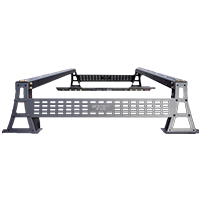
Westcott’s modular rack can be configured with floor inserts and different front visor/light options. Extruded aluminum crossbars create mounting locations for cargo, recovery equipment, awnings, lighting, rooftop tents and other accessories.
That flexibility matters because most 4Runners are built in stages. Starting with a rack that can evolve with the truck reduces the likelihood of replacing the entire system when the owner’s needs change.
Strength Without Unnecessary Weight
In the walkaround, Jeff stands on the rack while making clear that this is not the same as a formal load test. That distinction matters. A real-world demonstration can show rigidity, but owners should still follow manufacturer guidance for cargo and accessory loading.
Westcott combines aluminum construction with steel mounting brackets to balance strength and weight. Keeping weight under control is especially important on the roof because every added pound is carried high on the vehicle.
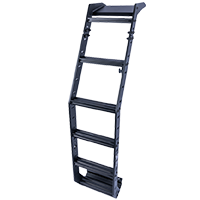
The 6th Gen 4Runner Rear Hatch Ladder
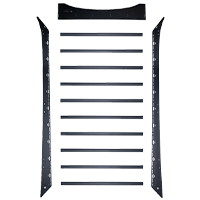
Westcott’s 2025-2026 4Runner ladder uses aluminum construction with double-layered 3/16-inch aluminum uprights. The steps use a 1-by-2-inch profile to provide a larger footing surface, and tracks in the steps create additional attachment opportunities.
Westcott also offers a RotopaX™ bracket engineered for the 6th-gen ladder, allowing the ladder to serve as both roof access and an accessory mounting location.
But a ladder is not automatically right for every 4Runner. If you rarely access roof gear or want to minimize hatch weight, skipping it may be the smarter choice. The best build is the one where every part solves a real problem.
Modular vs. Lo-Pro
The Modular Roof Rack is aimed at owners who want configurable cargo utility, optional floor inserts and basket-style capability. The Lo-Pro rack emphasizes minimum height, no-drill installation and a clean roofline while retaining compatibility with rooftop tents and popular accessories.
Before ordering, think through garage clearance, lighting plans, rooftop-tent use, cargo type and future molle panels. Westcott’s 6th-gen exterior molle panels require either its Modular or Lo-Profile rack, so planning the system as a whole can prevent duplicated purchases.
Frequently Asked Questions
How high is the Westcott Lo-Pro rack? Westcott lists the installed height at 1.75 inches.
Does the Lo-Pro rack require drilling? Westcott describes the 2025-2026 4Runner Lo-Pro rack as a no-drill installation.
What is the rear ladder made from? Aluminum, with double-layered 3/16-inch uprights and 1-by-2-inch steps.
Do I need a ladder? Not necessarily. It makes the most sense for owners who regularly access roof cargo or want additional exterior mounting space.