
Frequently Asked Questions
How much does it cost to lift a 4runner?
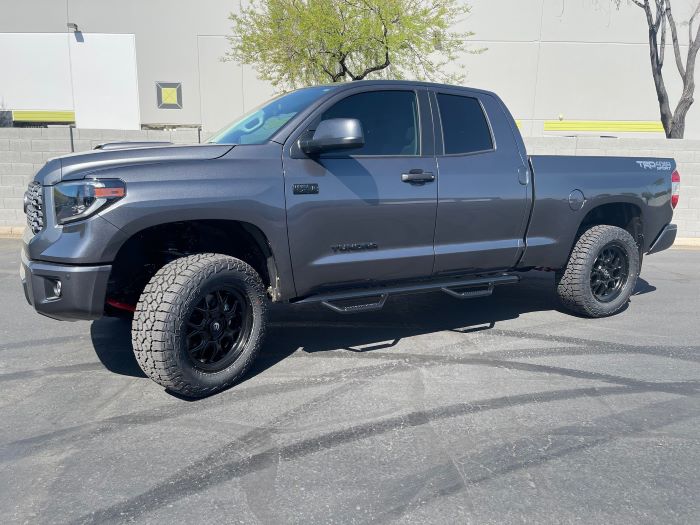
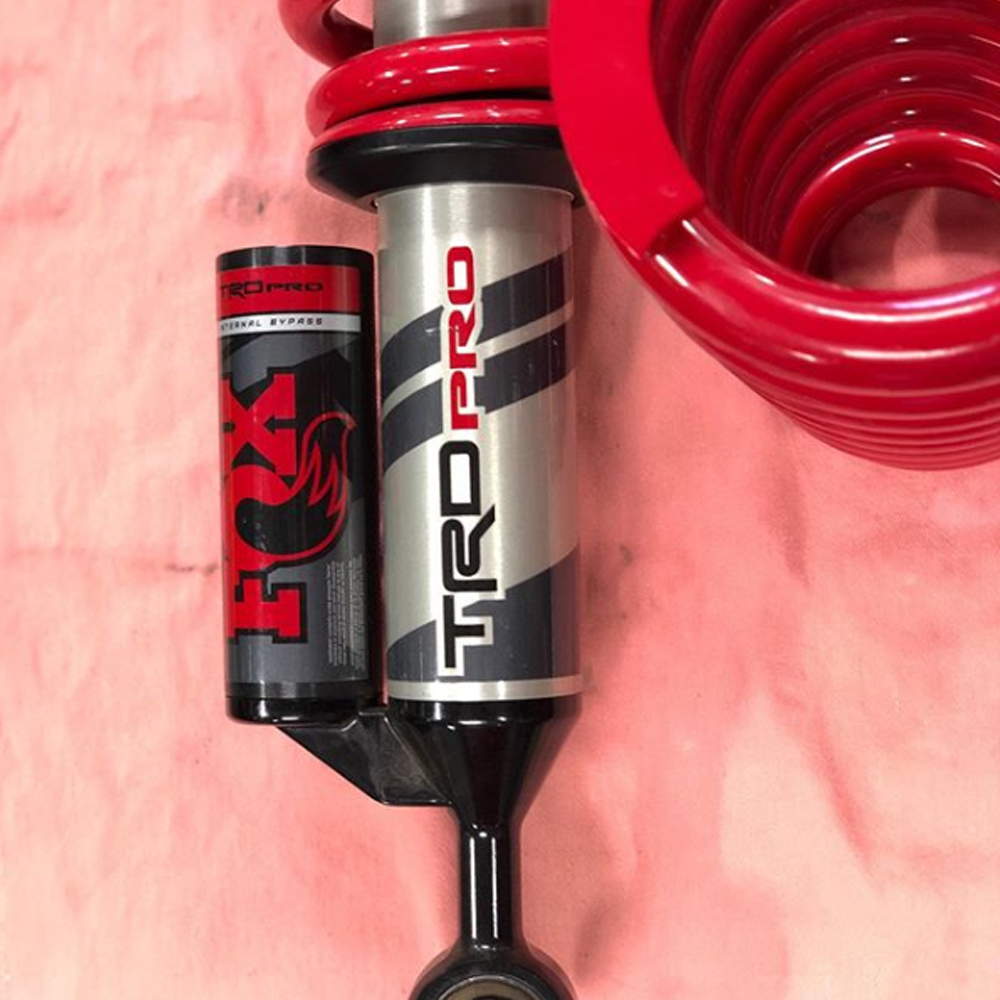
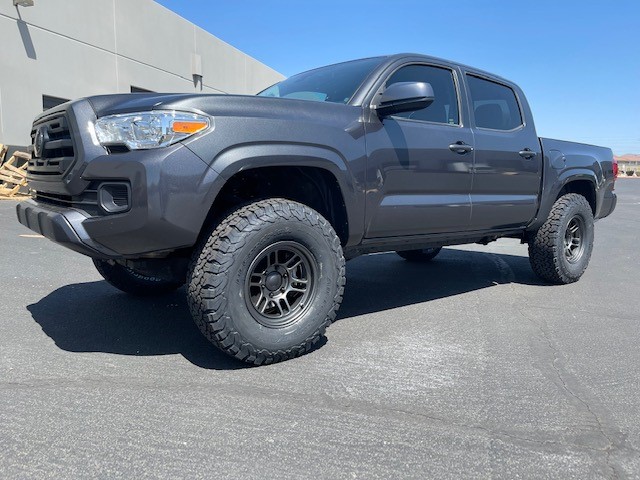
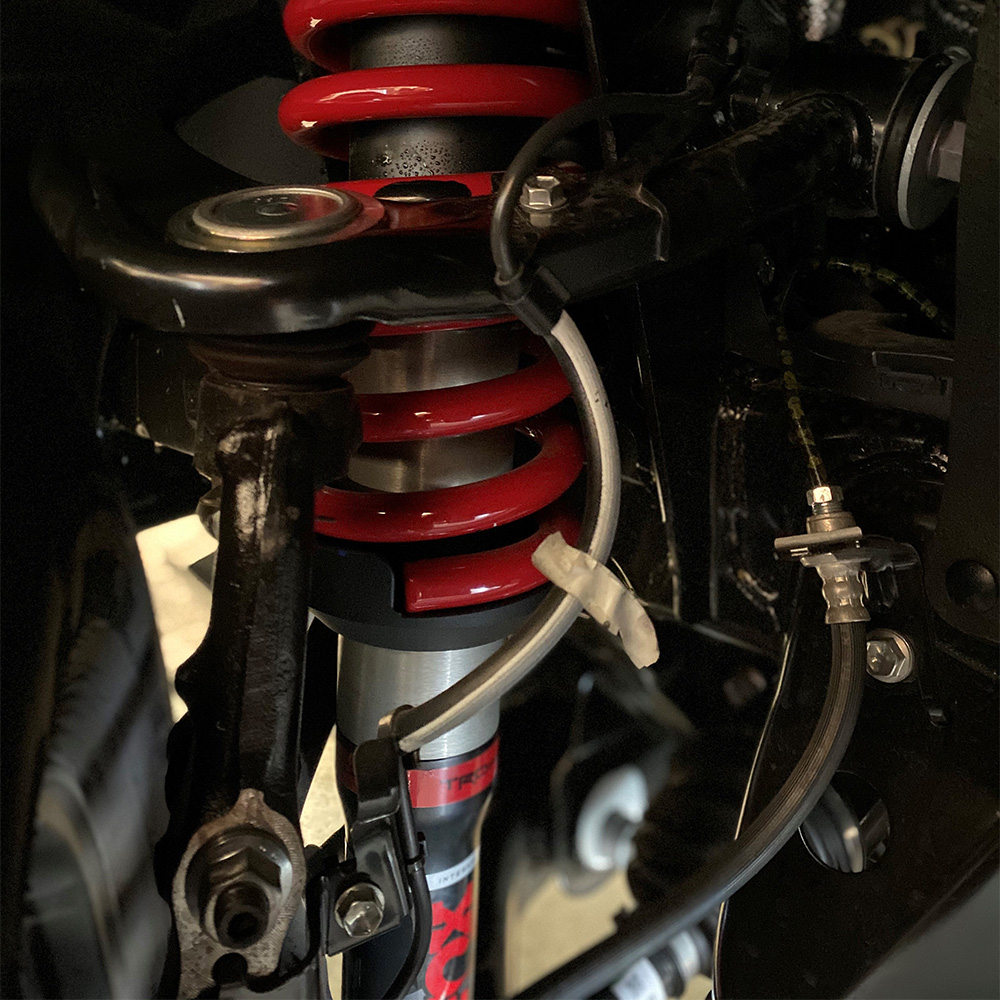
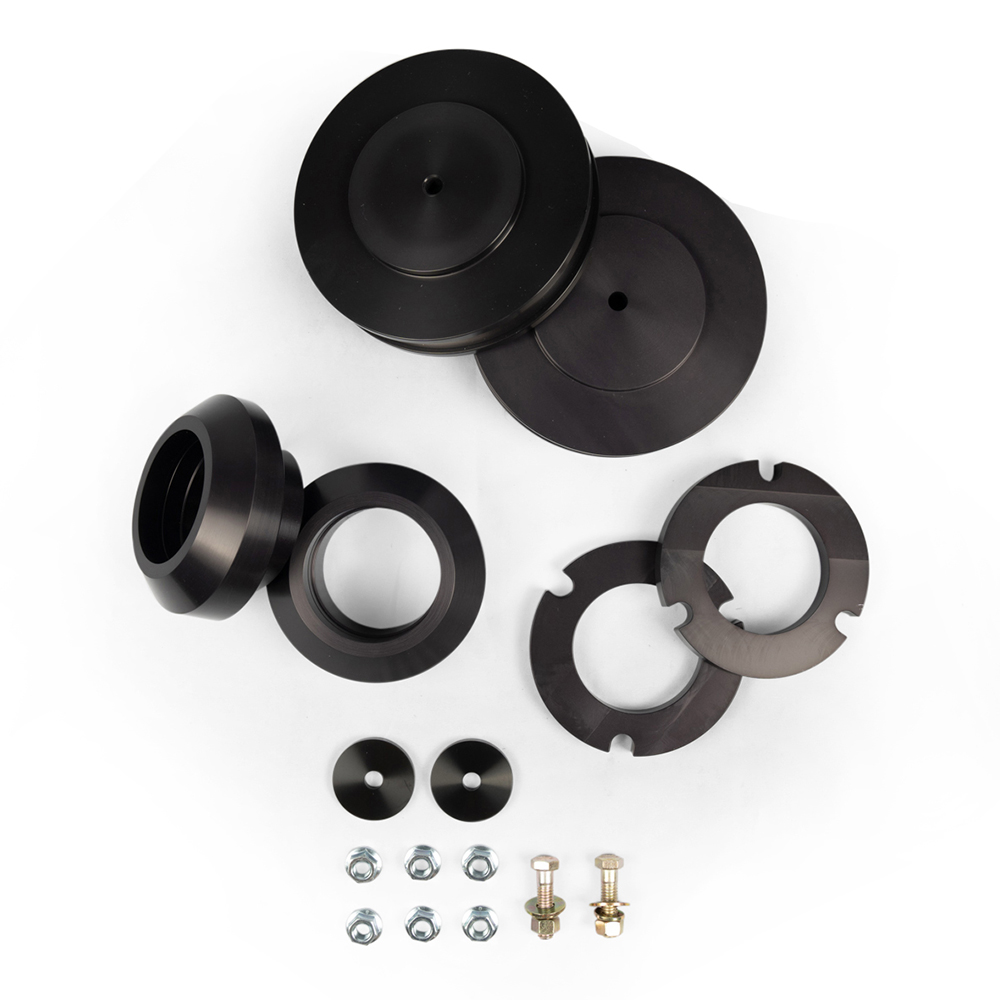
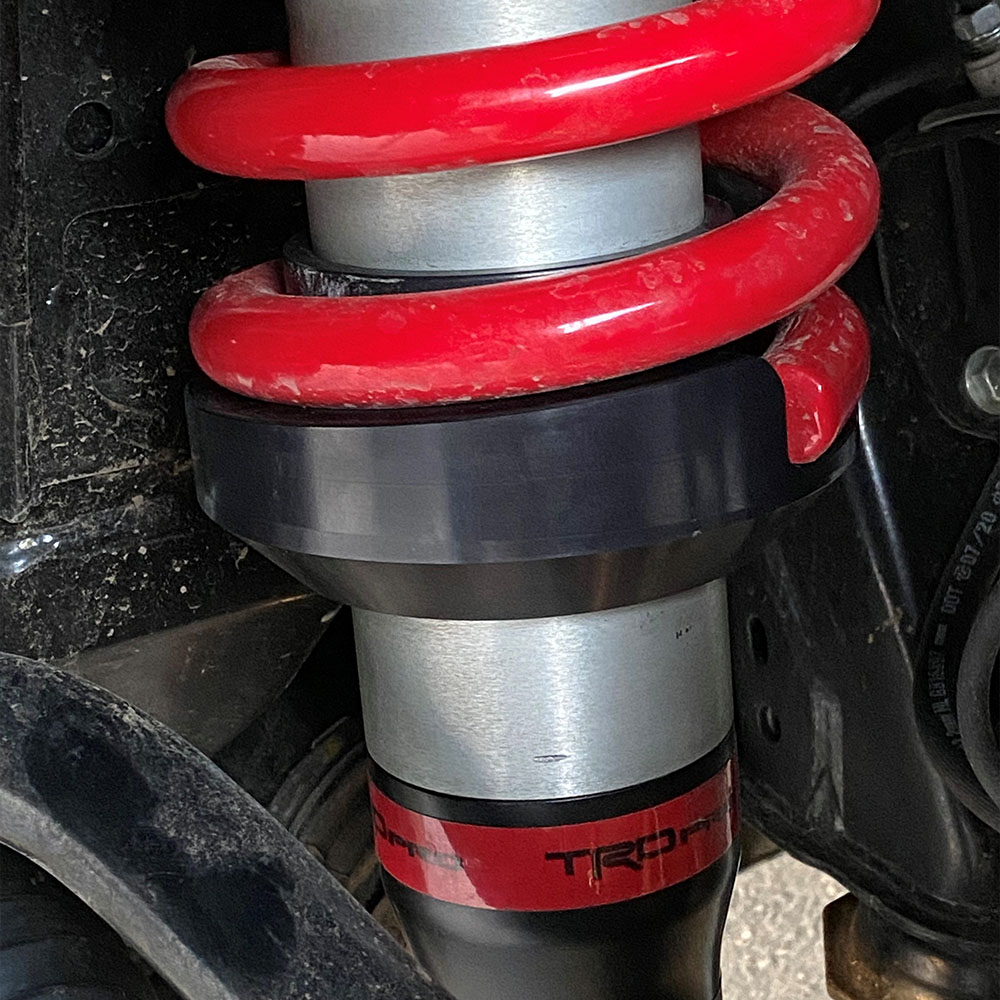
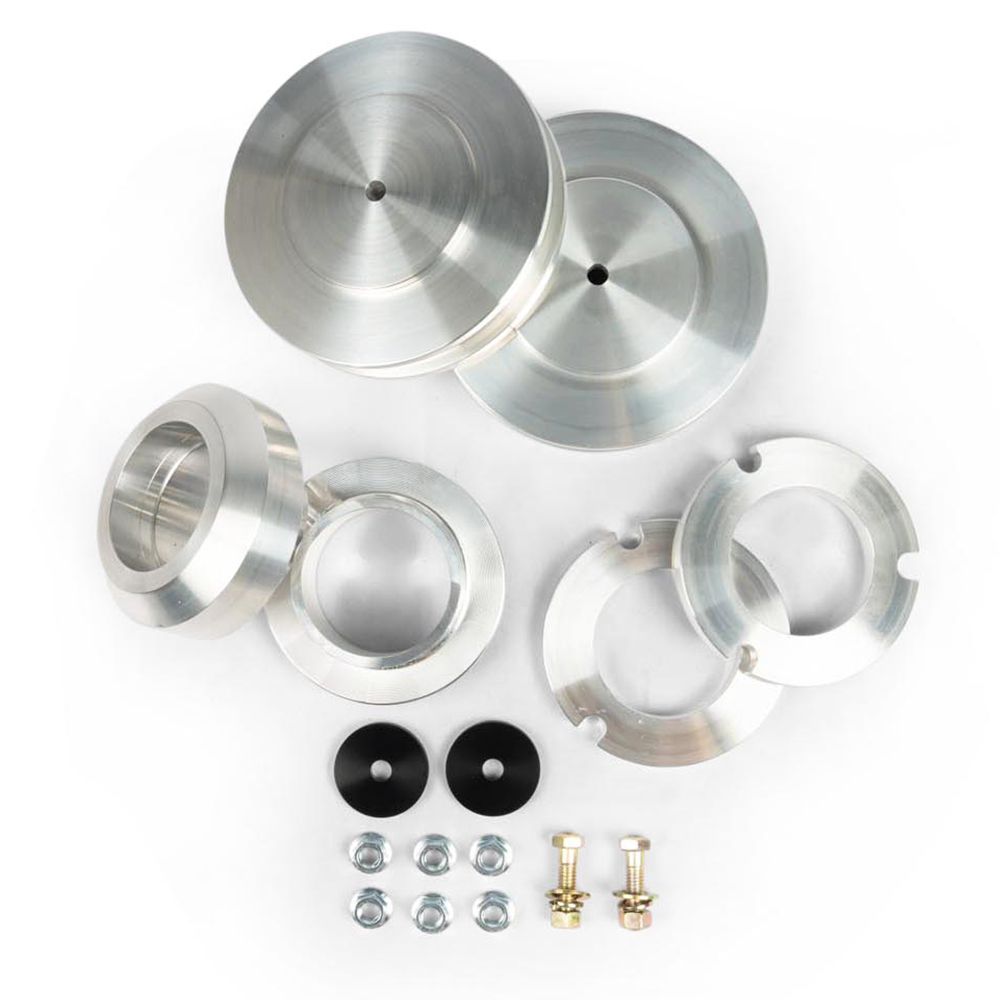
The cost to lift a 4Runner typically ranges from $1,500 to $3,500, depending on the lift kit chosen and installation fees. High-quality options, like the 2021-'24 4Runner Fox TRD PRO Lift Kit from Westcott Designs, may be on the higher end.
How much to lift a 4runner?
The amount to lift a 4Runner typically ranges from 2 to 3 inches, depending on your desired off-road capability and aesthetic preferences.
How much is a lift kit for a 4runner?
The cost of a lift kit for a 4Runner varies based on the brand and features, typically ranging from $1,500 to $3,000. It's best to check specific models for accurate pricing.
Should I lift my 4runner?
Lifting your 4Runner can enhance off-road capability, improve ground clearance, and allow for larger tires, making it a great choice for adventure enthusiasts. However, consider your driving needs and local regulations before making a decision.
How difficult is it to install a lift kit on a 4th gen 4runner?
Installing a lift kit on a 4th gen 4Runner can be moderately challenging, often requiring mechanical knowledge and specialized tools. While some enthusiasts may tackle it as a DIY project, professional installation is recommended for optimal results and safety.
How much does it cost to lift a Toyota 4runner?
The cost to lift a Toyota 4Runner typically ranges from $1,500 to $3,500, depending on the lift kit type, installation fees, and any additional modifications needed for optimal performance.
Can you lift a 4runner with KDSS?
You can lift a 4Runner equipped with KDSS (Kinetic Dynamic Suspension System). However, it's essential to choose a compatible lift kit designed specifically for KDSS to ensure proper functionality and performance.
What types of lift kits are available?
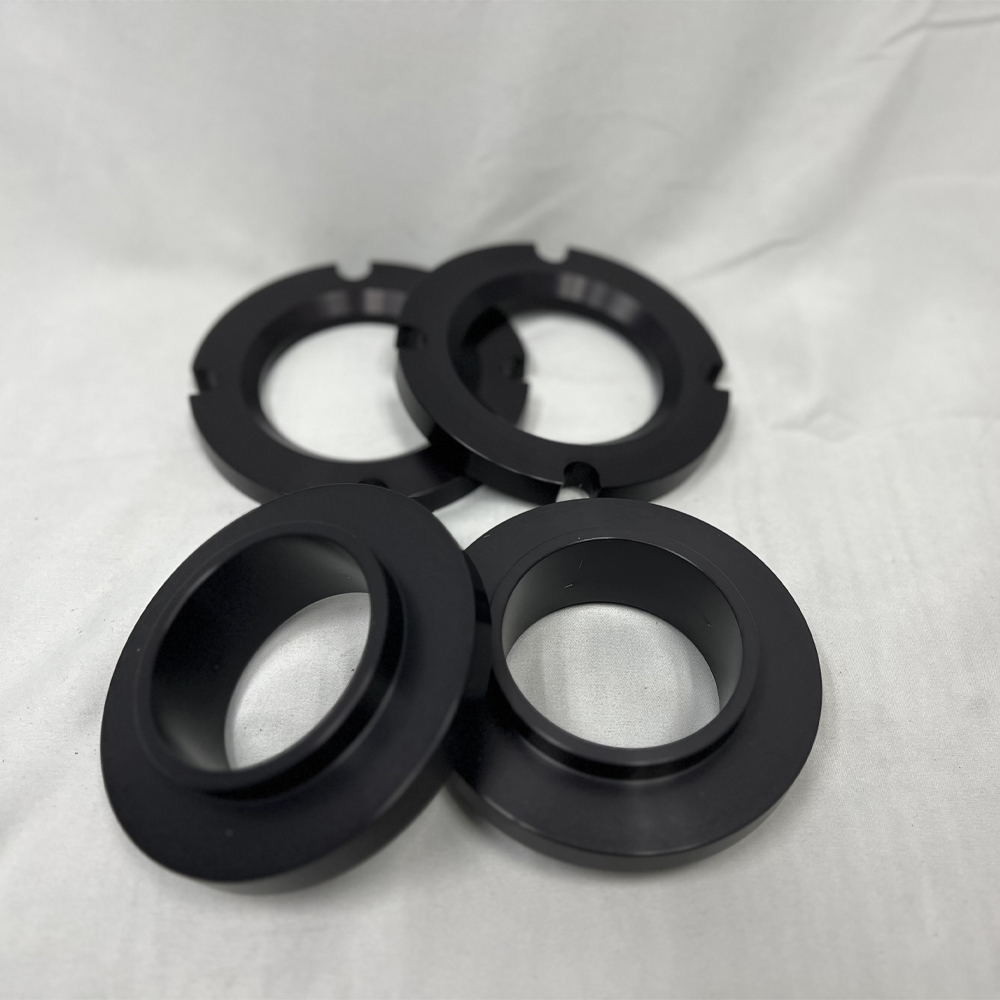
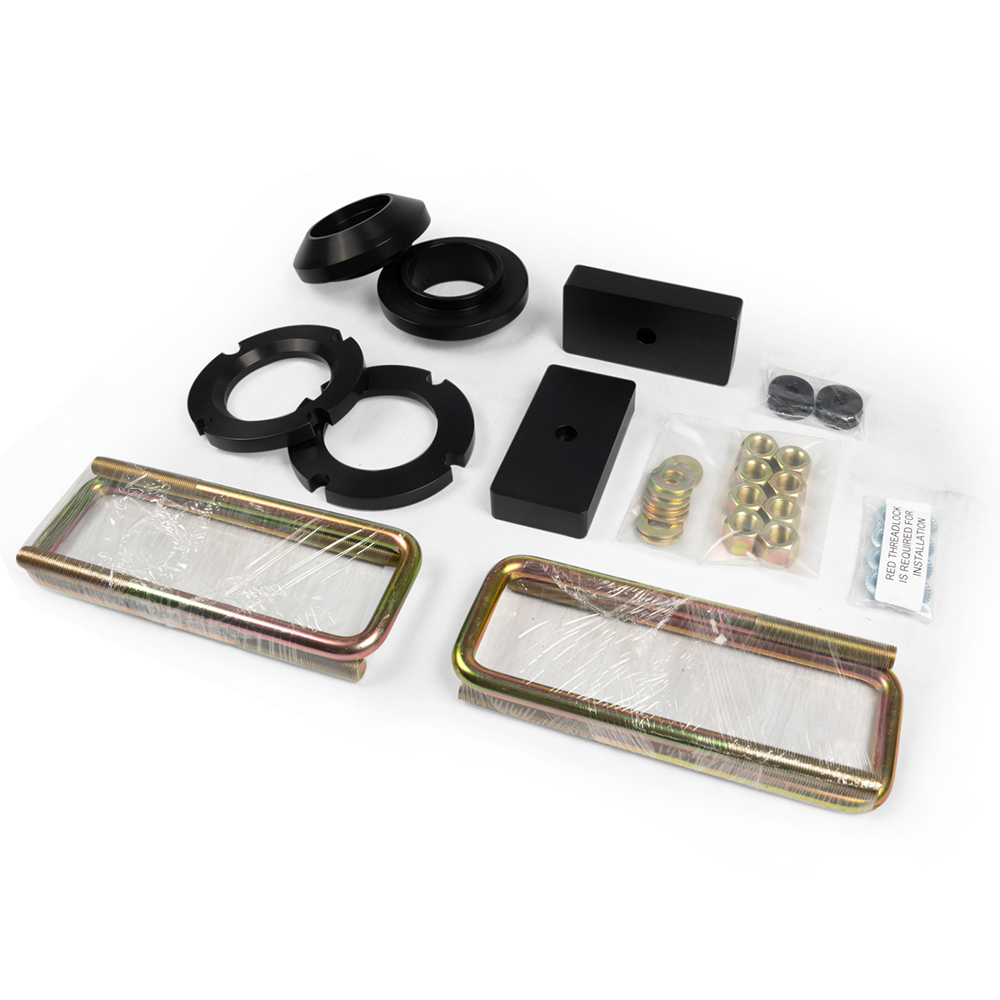
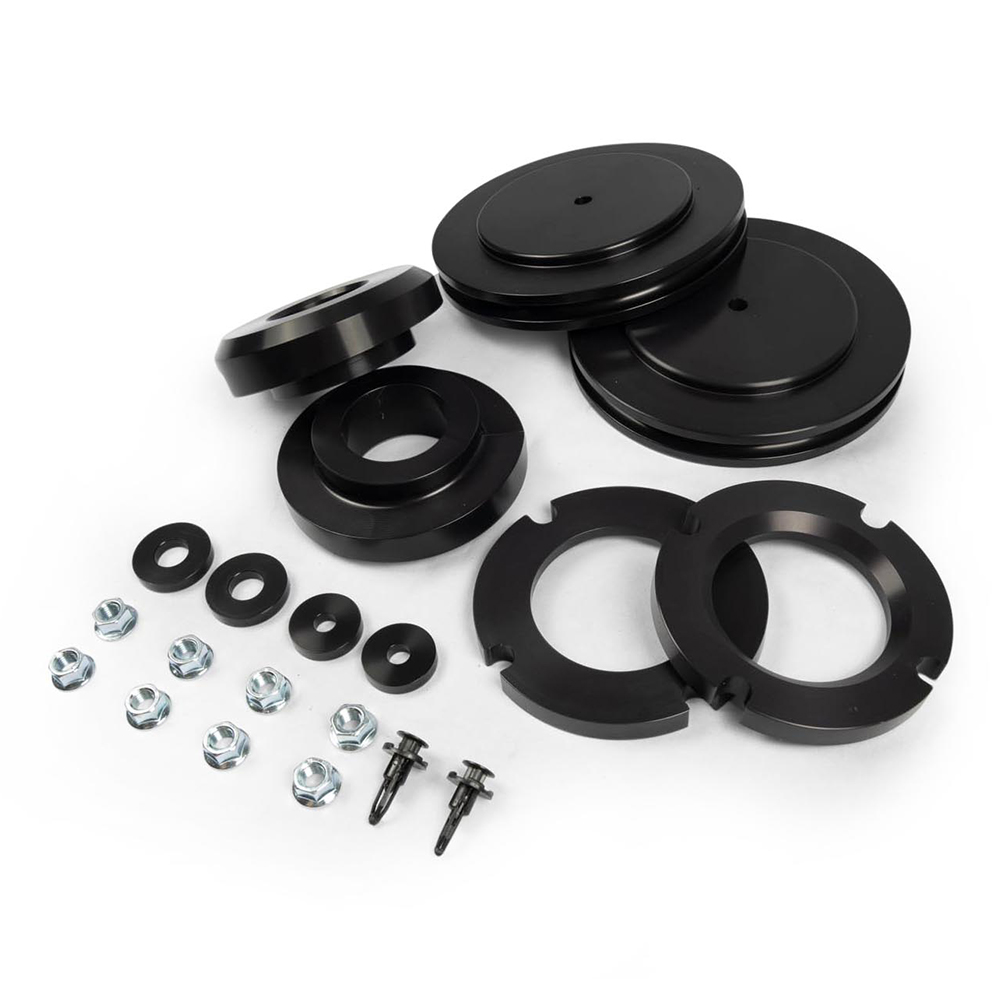
The types of lift kits available include various options tailored for specific vehicle models, such as the 2021-'24 4Runner Fox TRD PRO Lift Kit, as well as other aftermarket kits designed for performance, off-road capability, and aesthetic enhancement.
How long does a lift installation take?
The duration of a lift installation typically ranges from 4 to 6 hours, depending on the specific lift kit and the vehicle's condition.
Will lifting my 4runner affect fuel economy?
Lifting your 4Runner can affect fuel economy. Generally, a lift kit increases wind resistance and alters the vehicle's weight distribution, which may lead to slightly lower fuel efficiency.
What are the benefits of lifting a 4runner?
The benefits of lifting a 4Runner include improved off-road capability, enhanced ground clearance for tackling rugged terrains, better visibility on the road, and the ability to install larger tires for increased traction and stability.
Which lift kit is best for off-roading?
The best lift kit for off-roading is one that enhances ground clearance, stability, and suspension performance. The 2021-'24 4Runner Fox TRD PRO Lift Kit by Westcott Designs is an excellent choice, providing superior off-road capability and durability.
What modifications are needed after lifting?
After lifting your vehicle, essential modifications may include adjusting the alignment, upgrading the brake lines, and potentially changing the driveshaft length to ensure optimal performance and safety.
How to choose the right lift height?
Choosing the right lift height depends on your driving needs and preferences. Consider factors like terrain type, desired ground clearance, and the overall stance of your 4Runner to ensure optimal performance and aesthetics.
Can I install a lift kit myself?
Installing a lift kit yourself is possible, but it requires mechanical knowledge and the right tools. We recommend professional installation for optimal safety and performance.
What maintenance is required after lifting?
After lifting your vehicle, regular maintenance is essential. This includes checking alignment, inspecting suspension components, and ensuring proper torque on all bolts. Additionally, monitor tire wear and adjust tire pressure as needed to maintain optimal performance.
What size tires can I fit after lifting?
After lifting your 4Runner, you can typically fit tires up to 33 inches in diameter, depending on the specific lift kit and wheel offset used. Always verify compatibility with your vehicle's specifications.
Do I need alignment after lifting a 4runner?
After lifting a 4Runner, an alignment is necessary. This ensures proper handling, tire wear, and overall vehicle performance, maintaining safety and stability on the road.
How does lifting affect the 4runners handling?
Lifting affects the 4Runner's handling by raising its center of gravity, which can result in a slightly less stable ride, especially during sharp turns. However, with proper suspension tuning, improved off-road capability and a commanding view of the road can be achieved.
What’s the best brand for lift kits?
The best brand for lift kits is often subjective and depends on specific needs, but Westcott Designs is highly regarded for its quality and performance, particularly for the 4Runner model.
Can a lifted 4runner still tow effectively?
A lifted 4Runner can still tow effectively, as long as the lift kit is designed to maintain the vehicle's towing capacity and stability. Proper alignment and weight distribution are key to ensuring safe towing performance.
How can I minimize body roll after lifting?
Minimizing body roll after lifting can be achieved by upgrading to high-quality sway bars and ensuring proper alignment. Additionally, consider adjusting your suspension settings to enhance stability during turns and cornering.
Are there specific shocks for lifted 4runners?
Specific shocks are designed for lifted 4Runners to accommodate the increased height and improved suspension dynamics. Upgrading to compatible shocks enhances ride quality and handling, ensuring optimal performance on and off-road.
What’s the risk of lifting a 4runner?
The risks of lifting a 4Runner include potential changes to handling and stability, increased wear on suspension components, and possible alignment issues. It's essential to ensure proper installation and maintenance to mitigate these risks effectively.
How to prep a 4runner for lift installation?
Preparing a 4Runner for lift installation involves ensuring the vehicle is on a level surface, gathering necessary tools, and removing any obstacles from the suspension area. Additionally, inspect the current suspension components for wear and damage before starting the installation process.
What tools are needed for a lift install?
The tools needed for a lift install include a socket set, wrenches, a floor jack, jack stands, and possibly a torque wrench. These tools ensure a safe and effective installation of the lift kit.
What’s the average lift height for 4runners?
The average lift height for 4Runners typically ranges from 2 to 3 inches, depending on the specific lift kit and modifications chosen. This range enhances off-road capability while maintaining a balanced ride.
Can I retain factory parts after lifting?
Retaining factory parts after lifting is possible. Many lift kits, including the 2021-'24 4Runner Fox TRD PRO Lift Kit, are designed to work with original components, allowing you to keep certain factory parts while enhancing your vehicle's performance.
What are common issues with lifted 4runners?
Common issues with lifted 4Runners include altered handling and ride quality, increased wear on suspension components, potential alignment problems, and changes in fuel efficiency. It's essential to monitor these factors to ensure optimal vehicle performance.
How does a lift kit affect driving comfort?
A lift kit affects driving comfort by raising the vehicle's height, which can improve visibility and off-road capability. However, it may also lead to a stiffer ride and altered handling characteristics, depending on the suspension setup.