




How Much Lift Does a Toyota 4Runner Actually Need?
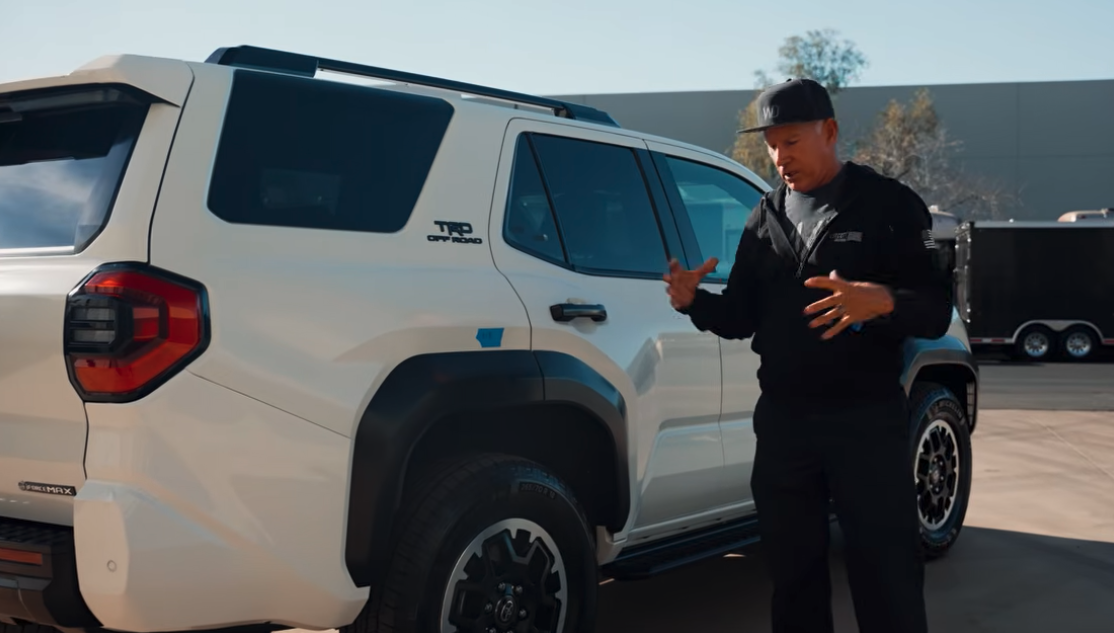
A bigger lift looks great in photos, but it isn’t automatically the right call for every 4Runner owner. In a recent video, Westcott Designs walks through the sixth-gen Toyota 4Runner and breaks down what lift height actually does for the truck and why “bigger isn’t always better”. Jeff shows how tire size, suspension geometry, ride quality, and intended use all factor into the right setup. Westcott Designs previously covered the fifth-gen 4Runner in depth, and this article picks up where that conversation left off for the new generation. Looking for that video? Check it out here.
Why Bigger Isn’t Always Better
It’s tempting to assume that the tallest lift available is the best upgrade for a 4Runner. In practice, going bigger than necessary can hurt daily drivability. It can also put extra strain on suspension and steering components, and change the truck’s center of gravity in ways that aren’t ideal. This can end up hurting everyday driving or long highway trips. The right lift height comes down to what the 4Runner needs to do. Are you using it to commute, tow, camp, or tackle serious trails? The first question is, what are you using the truck for?
Matching Lift Height to How the 4Runner Is Used
Before choosing a lift size, it helps to define the truck’s job:
- Daily driver or light off-road use: A leveling kit or small lift corrects the factory rake (the front sitting lower than the rear) and allows for a modest tire size increase without major changes to ride quality or geometry.
- Weekend trail use and overlanding: A mid-range lift creates room for larger tires and improved ground clearance while still keeping the suspension geometry close to factory angles.
- Dedicated off-road builds: A taller lift paired with the right suspension components maximizes wheel travel and tire clearance for serious terrain, though it usually comes with trade-offs in on-road manners.
Tire Size and Suspension Geometry Go Hand in Hand
Lift height and tire size aren’t separate decisions, they’re connected. Adding a larger tire without enough lift can cause rubbing at full turn or full compression. Adding lift without upsizing tires can leave a truck looking unbalanced and not gaining any real capability. Suspension geometry also shifts as ride height increases. This affects control arm and CV axle angles. Getting the lift height, tire size, and geometry to work together is what keeps the 4Runner driving predictably. Not just looking taller.
Ride Quality Is Part of the Equation
A taller lift doesn’t automatically mean a rougher ride, but the components used to achieve it make a big difference. Quality shocks, springs, and control arms tuned for the truck’s new ride height help maintain comfort on pavement while still improving performance off-road. This is why Westcott Designs emphasizes choosing a lift height based on the intended use case first, then building the right combination of parts around the truck.
Starting With a Baseline: Measuring Before the Lift
Before any changes were made to the sixth-gen TRD Off-Road 4Runner featured in the video, Westcott Designs measured the stock ride height at each corner of the truck. from the center of the axle to the bottom edge of the wheel well. The measurements were taken on flat ground with the wheels pointed straight. Those measurements showed a slight difference between the driver’s side and passenger’s side, largely due to the factory fuel tank placement. Recording these baseline numbers first makes it easy to see exactly how much height a lift adds once it’s installed, corner by corner.
Choosing the Right Setup
There’s no single “correct” lift height for every 4Runner . The right choice depends on the tires being run, how the truck will be used, and how much change in ride quality and handling an owner is willing to accept. Working through those questions before buying parts helps ensure the finished truck fits its intended purpose, rather than ending up over-built or under-built for the job.
If you ever have any questions about this or other subjects around Toyota trucks. Give us a call. Who knows. Jeff might be the one to pick up the phone.