





The Problem Most People Don’t Notice… Until It’s Too Late
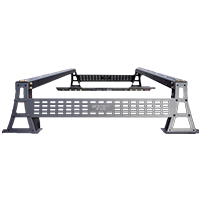
Roof racks are one of the most popular upgrades for any off-road build. They look great, add functionality, and open up your rig for everything from overlanding gear to daily utility. But here’s the reality:
Not all roof racks are built the same and some can completely change how your vehicle drives on the road.
In this video, Jeff walks through a real install and immediately identifies a common issue that most buyers don’t consider until they hear it on the freeway:
The Real Cause of Roof Rack Wind Noise
After installing a customer-supplied roof rack and taking it on the highway, the issue became obvious. At speed, there was noticeable wind noise, not subtle, but enough to stand out immediately.
Here’s why:
- There was a visible gap at the front of the rack
- Air was being forced underneath the rack instead of over it
- That airflow hit the crossbars and created turbulence
“Air is going up through here… getting underneath the roof rack… and that’s what’s causing the wind noise.”
That gap might seem minor visually, but aerodynamically, it makes a huge difference.
Why Design Matters More Than You Think
A roof rack isn’t just a static accessory. It directly interacts with airflow every time you drive.
Poor Design = Constant Noise
When racks sit too high or have gaps:
- Air funnels underneath
- Crossbars disrupt airflow
- Turbulence builds
- Noise increases with speed
And once you hear it, you can’t unhear it.
Good Design = Clean Airflow
The best roof racks are designed to:
- Sit tight to the roofline
- Minimize front-facing gaps
- Guide airflow over the rack, not under it
- Reduce drag and noise
This is where low-profile, precision-fit designs make a massive difference.
The Tradeoff Most Brands Make (And Why It Matters)

One of the biggest takeaways from this install has nothing to do with looks and everything to do with how the product is built. Many racks today are designed in multiple pieces. Why?
- Smaller packaging
- Lower shipping costs
- Easier logistics
But that comes with tradeoffs:
- Visible seam lines
- Potential weak points
- Disrupted design flow
- Compromised aesthetics
“I don’t want something that looks like it was bolted together… just to save money.”
For some buyers, saving on shipping might be worth it. For others, especially those investing in a premium build, fit, finish, and function matter more. Check out more Westcott Designs™ roof racks.
Functionality Issues Most Buyers Overlook
Beyond wind noise, this install revealed another key issue:
Antenna Clearance
- The rack sat lower than the factory antenna
- That means you can’t properly mount gear on top without interference
- Limits real-world usability
So while the rack looks sleek and low-profile, it may not actually perform the way you expect once loaded.
What to Look for Before You Buy a Roof Rack
If you’re planning a build, especially on a high-end platform like a 3rd Gen Raptor, these are the things that matter most:
1. Front Gap Design
Does the rack sit flush, or is there space for air to get underneath?
2. Roofline Fitment
Does it follow the natural lines of the vehicle, or sit above it?
3. One-Piece vs Multi-Piece Construction
Is it designed for performance… or for shipping convenience?
4. Crossbar Placement
Will airflow hit them directly and create turbulence?
5. Functional Clearance
Can you actually use the roof rack with accessories, or will components like the antenna get in the way?
How This Applies to Your Build
At Westcott Designs™, this is exactly the kind of real-world feedback that drives product development. It’s not about copying what’s already out there. It’s about improving it. Designing roof racks that:
- Follow the roofline perfectly
- Eliminate unnecessary gaps
- Maintain structural integrity
- Reduce wind noise at highway speeds
- Actually function when loaded with gear
Because at the end of the day, your build should perform just as well on the road as it does off it.
Build Smarter. Not Just Bigger.
If you’re investing in your rig, pay attention to the details that matter. Because the difference between a good build and a great one is usually something small …Like a gap you didn’t notice.